
From the Principal
Civil Discourse
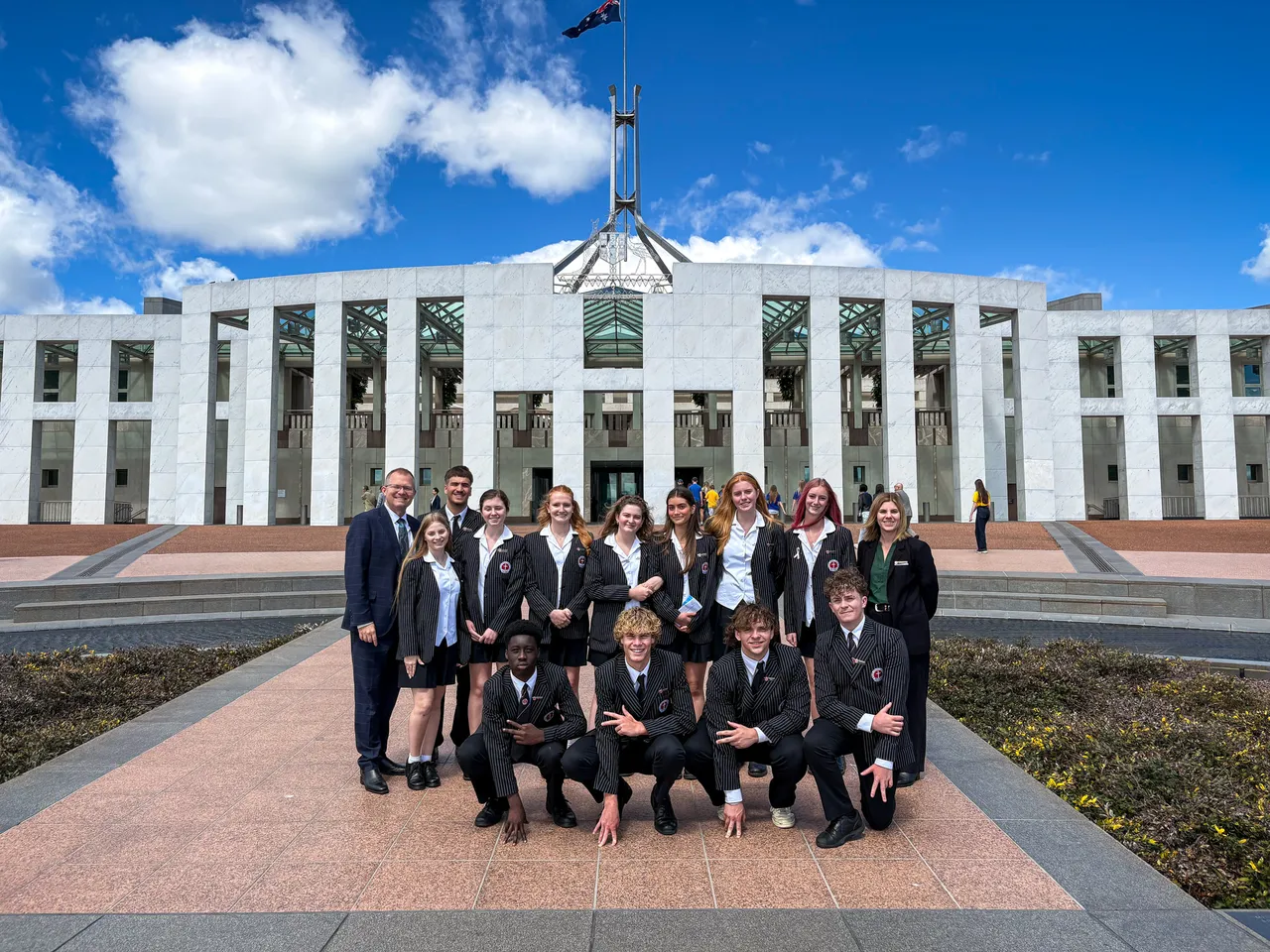
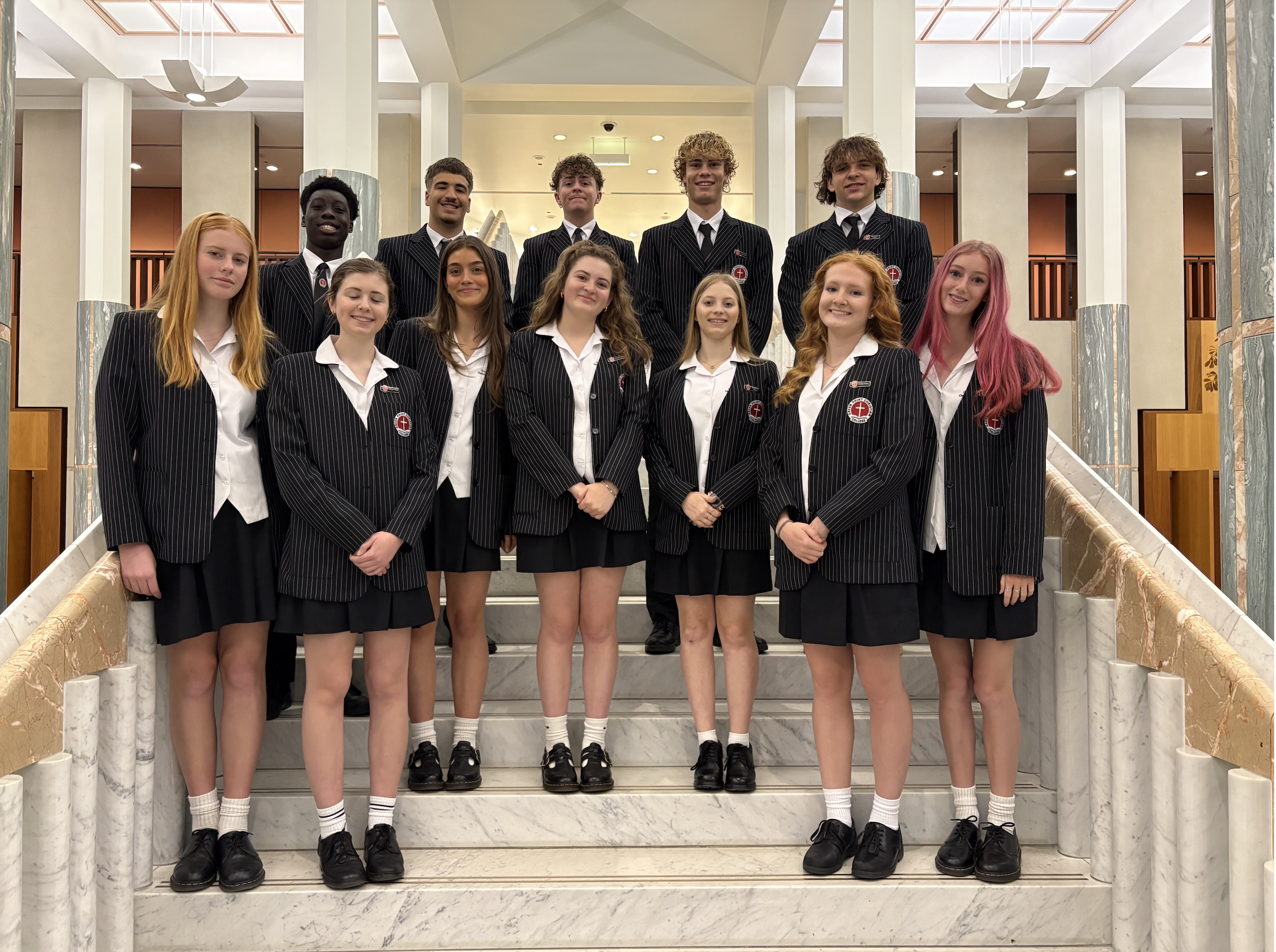
On Monday I had the privilege of attending the National Prayer Breakfast at Parliament House with our College prefect team. Our students served as ushers, and our college captain Lucy Moore prayed for our nation as part of the program. It was a great morning, apart from a tray of orange juices being spilled over me at the start of breakfast, which made for a sticky time.
The students met with our local Member, Dr Gordon Reid, and asked him how he represents the Central Coast and what he finds enjoyable and challenging about his role. We also spent time with the Parliamentary Chaplain.
The atmosphere around Parliament was solemn. Security was increased following last week’s attack on the Member for Indi, Helen Haines. We spent about 40 minutes in the gallery of the House of Representatives during a period of reflection on the events of the previous week and some of the possible underlying causes. Members spoke of Helen Haines’s character and grace, and of the way she never spoke a bad word about anyone. They also spoke of their responsibility as leaders, either to support a culture of civil discourse or to cultivate one of hate, anger and polarisation. It was a powerful time to be in the Parliament.
I have been thinking about it since, and about the part our College plays in cultivating a culture of peace. Our world is becoming more polarised and angrier. Fewer people have the tools to navigate conflict and disagreement well. Anger is an easy emotion to cultivate online, where we don’t have to look another person in the eye.
In James 3, the writer describes how a small spark can set a whole forest alight, and how the tongue, though small, can do enormous damage. Today the spark travels further and faster than James could have imagined. James doesn’t leave us there. He describes the wisdom that comes from above as pure, peace-loving, considerate and full of mercy, and he says that those who sow in peace reap a harvest of righteousness. Peace is not passive. It is something we sow, deliberately and patiently.
This is the work of both school and home. At Green Point Christian College we use a program called PeaceWise, a Christian program based on biblical peacemaking that equips young people to manage challenging relationships and conflict in healthy, constructive ways. It gives our students and staff a shared framework and shared language for responding to conflict. Our students are learning to listen before they respond, to name what they feel without being driven by it, and to repair relationships when they are strained. Peacewise.
A framework only goes so far if it stays at school. The habits children see at home carry more weight than any lesson we teach. When they watch the adults they love disagree with grace, apologise well and speak kindly of people who aren’t in the room, they learn that peace is possible. Where school and home share the same language and the same example, the learning goes deeper.
Civil discourse is a choice made by ordinary people, over and over. I’m grateful our students were there to see it, and hopeful about the kind of citizens they are becoming.


Green Point Christian College acknowledges God our Father, the creator and giver of all life, and the Darkinjung people who are the traditional custodians of this land. We pay our respect to their Elders past, present and emerging. We pray God's blessings over all indigenous people groups, and we ask for His wisdom as we love and respect each other as God intended.